
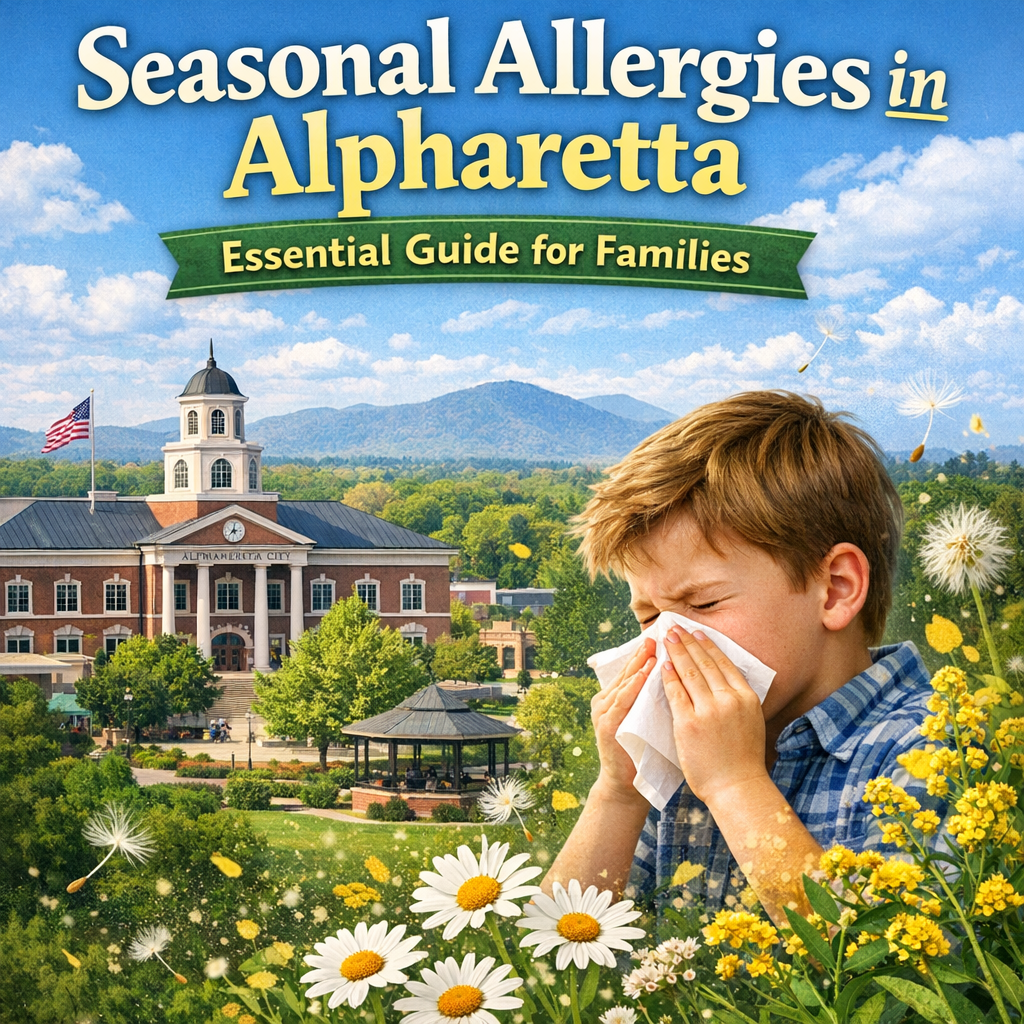
Seasonal Allergies in Alpharetta: Essential Guide for Families
Seasonal Allergies in North Georgia: What Alpharetta Families Need to Know
Alpharetta, a charming city nestled in North Georgia, experiences a vibrant change of seasons. With each transition, however, comes the challenge of seasonal allergies that can affect families, especially those new to the region. Understanding these allergens and knowing how to manage them can help Alpharetta residents enjoy each season to its fullest.
What Triggers Seasonal Allergies in Alpharetta?
Tree Pollen in Spring
During spring, trees such as oaks, elms, and maples release pollen, a major irritant for allergy sufferers. Alpharetta’s lush greenery, while beautiful, contributes significantly to the pollen count that can create discomfort from March to May.
Grass Pollen in Late Spring and Summer
As the season progresses into late spring and summer, grasses take the lead in allergen production. Bermuda grass and Kentucky bluegrass are widespread in North Georgia and can trigger allergic reactions throughout these warmer months.

Weed Pollen and Mold in Fall
Fall brings another set of challenges with weed pollen and mold spores. Weeds like ragweed are notorious for their potent pollen, and mold can grow on fallen autumn leaves and other damp organic material.
Symptoms to Watch For
Recognizing the symptoms of seasonal allergies can prompt early treatment and management. Common signs include:
- Sneezing
- Runny or stuffy nose
- Itchy, watery eyes
- Scratchy throat
- Worsening of asthma symptoms, if applicable
Best Practices for Managing Seasonal Allergies in Alpharetta
Limit Outdoor Activities
Try to stay indoors on days when the pollen count is particularly high. Websites like Pollen.com provide daily pollen forecasts which can be a useful tool for planning your activities.
Create an Allergen-Free Environment at Home
- Keep Windows Closed: To prevent pollen from entering your home, keep windows and doors closed during high pollen seasons.
- Use Air Purifiers: Equip your home with HEPA filter air purifiers, especially in sleeping areas, to remove pollen, dust, and other allergens from the air.
- Regular Cleaning: Increased vacuuming, dusting, and washing of bedding can reduce the presence of allergens in your living space.
Over-the-Counter Remedies and Professional Help
Over-the-counter antihistamines, decongestants, and nasal sprays can alleviate symptoms for many allergy sufferers. However, if your symptoms are severe or persistent, it’s advisable to consult with an allergist who can provide insights specific to North Georgia allergens and potentially recommend allergy shots or other treatments.
Engaging with Local Allergy Specialists
Alpharetta boasts a number of skilled allergists who are familiar with the regional allergens. Regular check-ups can not only help in effectively managing symptoms but also in adjusting your allergy management plans as the environment changes.
Conclusion
While seasonal allergies in Alpharetta can pose challenges to residents, understanding what triggers these allergies and how to combat them can greatly reduce their impact. By staying informed about local pollen counts, maintaining an allergen-low environment, and seeking the right medical assistance, families in Alpharetta can enjoy the beauty and vibrancy of the region year-round, without the discomfort of allergy symptoms.