
Community Health Trends Changing in Alpharetta and North Fulton
How Community Health Trends Are Changing in Alpharetta and North Fulton
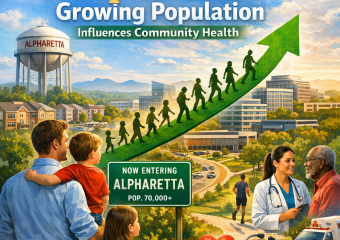
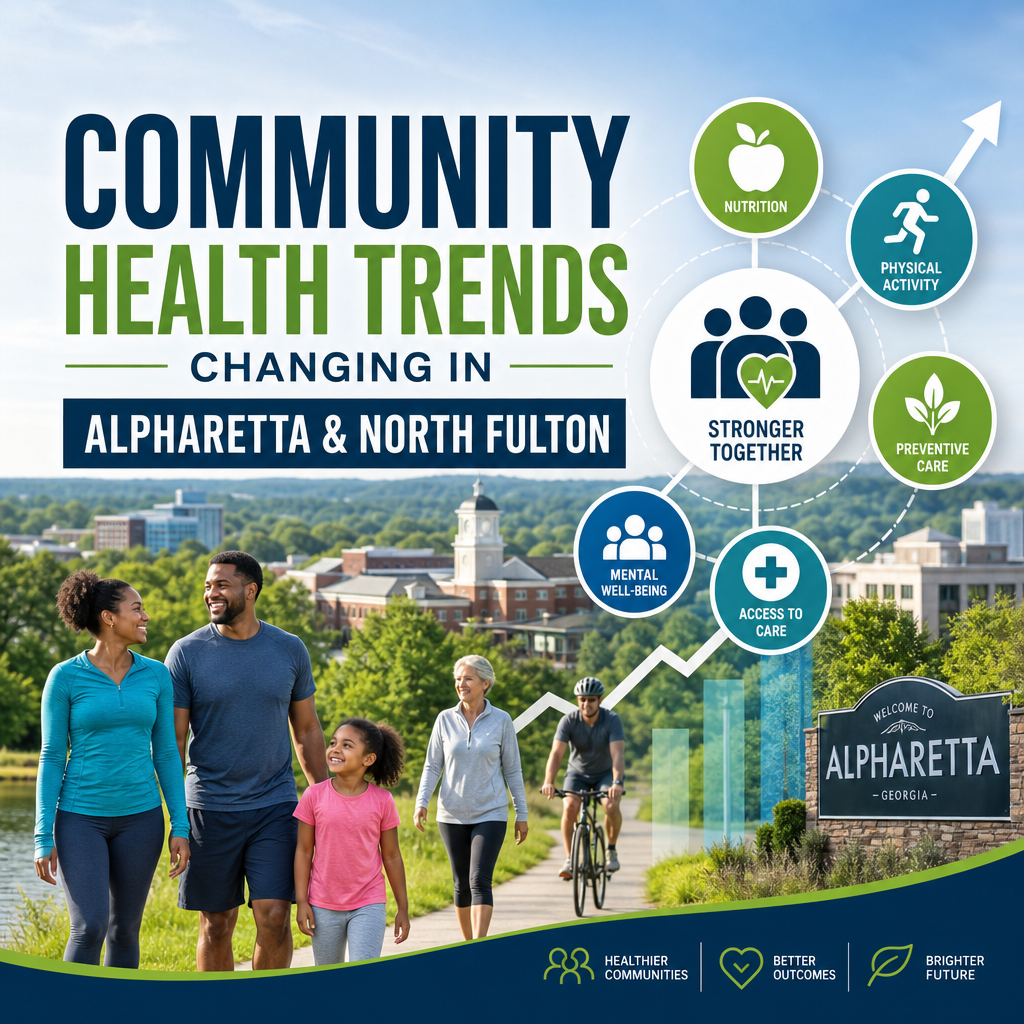
Community health is evolving quickly across metro Atlanta, and community health trends in Alpharetta and North Fulton reflect broader changes in how people live, work, and care for themselves. From preventive care and mental wellness to active lifestyles and access to local services, the region is seeing meaningful shifts that affect families, older adults, and young professionals alike.
As Alpharetta and North Fulton continue to grow, local health priorities are becoming more connected to daily life. Residents are not just thinking about treatment when illness occurs. They are placing more value on prevention, convenience, and long-term well-being.
A Growing Focus on Preventive Care
One of the biggest changes in the area is the stronger emphasis on preventive health. More residents are seeking regular checkups, screenings, vaccinations, and wellness visits before serious health problems develop.
This shift is being driven by several factors:
- Greater awareness of chronic conditions such as diabetes and heart disease
- Easier access to urgent care and primary care providers
- Employers offering wellness incentives and health education
- Families becoming more proactive about aging-related health needs
In communities like Alpharetta, where many households balance busy work schedules with family life, convenient preventive care options are especially important. Same-day appointments, telehealth, and neighborhood clinics are making early intervention more realistic for many people.
Mental Health Is Becoming Part of the Conversation
Another major development in community health trends in Alpharetta and North Fulton is the growing attention to mental and emotional well-being. Stress, anxiety, burnout, and social isolation are being discussed more openly than in the past.
This is significant because mental health was once treated as a separate issue rather than a central part of overall wellness. Today, local families, schools, and healthcare providers are increasingly recognizing that emotional health affects physical health, productivity, relationships, and quality of life.
What Is Driving This Change?
Several local and national influences are helping move mental health into the spotlight:
- Increased awareness following the pandemic
- More school-based counseling and youth support services
- Employers expanding mental health benefits
- Growing acceptance of therapy and stress management tools
In North Fulton, this trend is especially relevant for both teens and adults. High-achieving school environments, long commutes, and demanding professional schedules can create pressure that affects mental wellness over time.
Active Living Is Shaping Health Habits
Alpharetta and surrounding North Fulton communities have also seen stronger interest in active lifestyles. Trails, parks, fitness studios, community events, and walkable mixed-use developments are all encouraging residents to move more.
This matters because physical activity is closely linked to many of the region’s health goals, including weight management, cardiovascular health, mobility, and reduced stress.
Local Lifestyle Factors Supporting Better Health
Several features of the area make active living more accessible:
- Greenway trails and parks for walking, biking, and jogging
- Recreational sports programs for children and adults
- Fitness-focused community events and outdoor gatherings
- Greater interest in group exercise and social wellness activities
These habits are helping redefine health as something that happens outside the doctor’s office as much as inside it.
An Aging Population Is Changing Care Needs
Like many suburban communities, North Fulton is seeing changing health needs as more residents plan for healthy aging. Older adults are staying active longer, but they also need better support for chronic disease management, mobility, memory care, and social connection.
This has increased demand for:
- Preventive screenings for seniors
- In-home care and support services
- Physical therapy and rehabilitation resources
- Community programs that reduce isolation
Healthy aging is becoming a larger part of the local healthcare conversation. Families are looking for ways to help older loved ones remain independent while still having access to the right level of care.
Convenience and Technology Are Influencing Decisions
Healthcare access is no longer judged only by quality. It is also judged by convenience. Residents across Alpharetta and North Fulton increasingly expect healthcare to fit into modern schedules.
Telehealth, online appointment booking, patient portals, wearable devices, and app-based health tracking are changing how people engage with care. These tools make it easier to monitor health, communicate with providers, and follow through on treatment plans.
For working professionals and parents, convenience often determines whether care happens at all. That is why digital access has become an important part of current community health trends in Alpharetta and North Fulton.
Community Partnerships Are Playing a Bigger Role
Health is also becoming more community-driven. Schools, nonprofits, healthcare systems, employers, and local governments are all contributing to public wellness in different ways.
Examples include:
- Health education programs
- Community screenings and outreach events
- School nutrition and fitness initiatives
- Workplace wellness campaigns
- Support groups and local resource networks
These partnerships help address health beyond clinical settings. They also make it easier to reach residents who may not otherwise seek regular care.
What These Trends Mean for the Future
The future of local health in Alpharetta and North Fulton will likely be shaped by a few clear priorities: prevention, accessibility, mental wellness, and personalized support. As the region grows, healthcare providers and community leaders will need to respond to increasingly diverse needs across age groups and lifestyles.
What stands out most is that health is becoming more integrated into everyday living. People are paying attention not only to illness, but also to sleep, stress, movement, nutrition, and social connection.
That broader perspective is a positive sign. It suggests that community health trends in Alpharetta and North Fulton are moving toward a more proactive, balanced, and people-centered model—one that can support stronger outcomes for the entire community.