

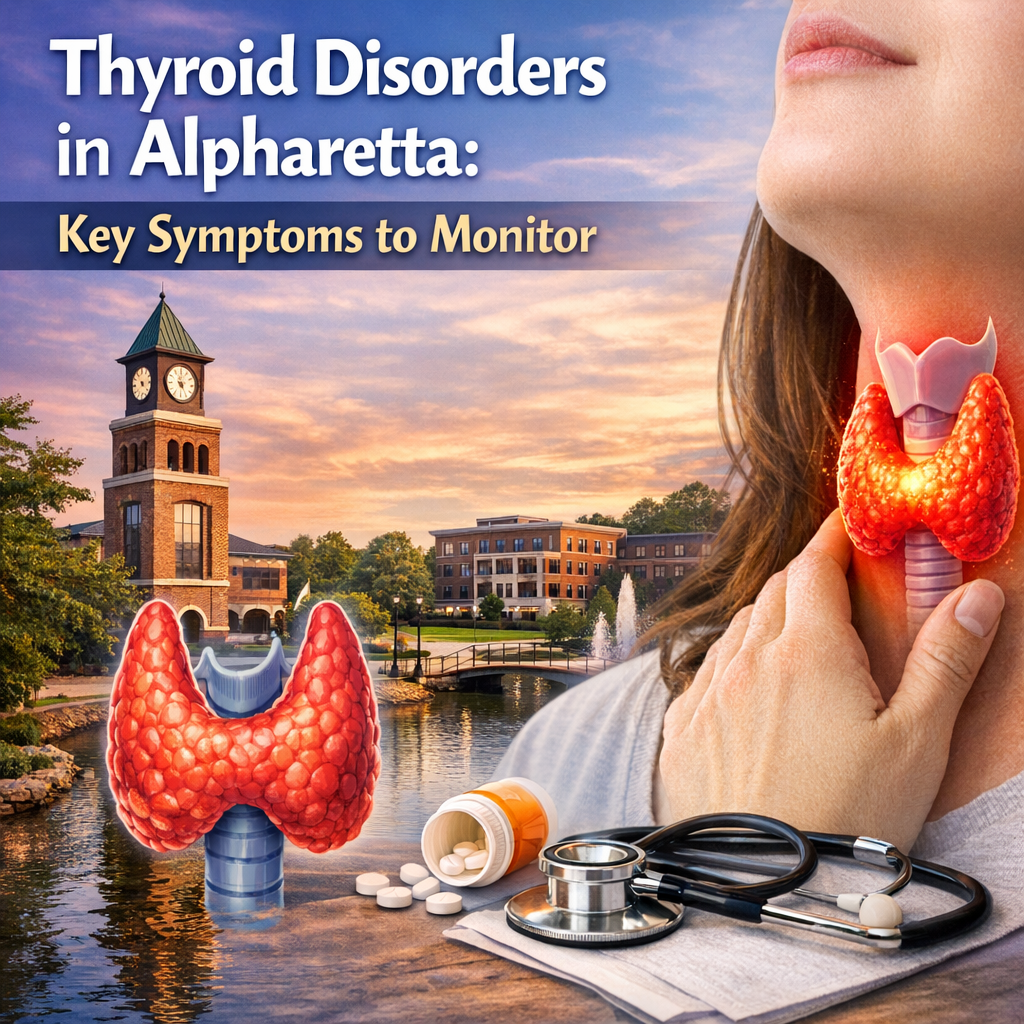
Thyroid Disorders in Alpharetta: Key Symptoms to Monitor
Thyroid Disorders: What Alpharetta Patients Should Watch For
Thyroid disorders are a common concern among individuals in Alpharetta, impacting various aspects of health and well-being. Understanding the signs and symptoms of thyroid issues, as well as knowing when to seek medical advice, is crucial for early detection and effective management. This guide will walk through the essentials of thyroid disorders specifically tailored for residents in Alpharetta.
Understanding the Thyroid Gland
The thyroid gland is a small, butterfly-shaped organ located at the front of the neck. It plays a vital role in regulating numerous metabolic processes throughout the body through the release of thyroid hormones. These hormones are instrumental in regulating energy production, body temperature, and overall metabolic rate.
Common Thyroid Disorders
Thyroid disorders can primarily be classified into the following:
- Hypothyroidism: This occurs when the thyroid gland is underactive and does not produce sufficient hormones.
- Hyperthyroidism: This is the result of an overactive thyroid gland, which produces too much hormone.
- Thyroid nodules: These are abnormal growths of thyroid cells forming lumps within the thyroid gland.
- Thyroid cancer: Although less common, thyroid cancer involves malignant growths within the thyroid gland.
Symptoms to Watch For in Alpharetta
Recognizing the symptoms of thyroid disorders early can lead to a quicker diagnosis and more effective treatment. Residents of Alpharetta, given the varying seasonal climates which can obscure symptoms like fatigue and lethargy, need to be particularly vigilant.
Symptoms of Hypothyroidism
- Fatigue and lethargy
- Unexpected weight gain
- Sensitivity to cold
- Dry skin and hair
- Muscle weakness
Symptoms of Hyperthyroidism
- Weight loss, despite normal eating habits
- Increased heart rate
- Nervousness and anxiety
- Heat intolerance
- Sleep disturbances
General Signs that Might Suggest Thyroid Nodules or Cancer
- Noticeable lumps or swelling in the neck area
- Difficulty swallowing or breathing
- Hoarseness or change in voice
Risk Factors Specific to Alpharetta
Certain lifestyle and environmental factors in Alpharetta may influence the prevalence and exacerbation of thyroid disorders:
- Iodine intake: As diet can directly affect thyroid function, the typical Southern diet, which can be high in iodine, might impact thyroid health.
- Autoimmune prevalence: Studies suggest that areas with substantial seasonal changes might see higher rates of autoimmune thyroid disorders.
- Healthcare access: With a robust healthcare system in Alpharetta, residents have better opportunities for regular health screenings, potentially catching thyroid irregularities early.
When to Consult a Healthcare Provider
If you are experiencing any of the symptoms associated with thyroid disorders or have two or more risk factors, booking an appointment with a healthcare provider is highly advised. Regular check-ups can help monitor thyroid function, especially if:
- You have a family history of thyroid disease.
- You are experiencing multiple symptoms of either hypo- or hyperthyroidism.
- You notice any sudden changes in your health status that don’t have an obvious cause.
Local healthcare providers in Alpharetta are well-equipped to diagnose and manage thyroid disorders with advanced testing and treatment options.
Conclusion
Thyroid disorders, while treatable, require early detection for optimal management. Recognizing the signs, understanding the risk factors, and seeking timely medical advice are key steps for Alpharetta residents to maintain good thyroid health. Whether it’s routine check-ups or addressing specific symptoms, staying informed and proactive about your thyroid health is essential.
