

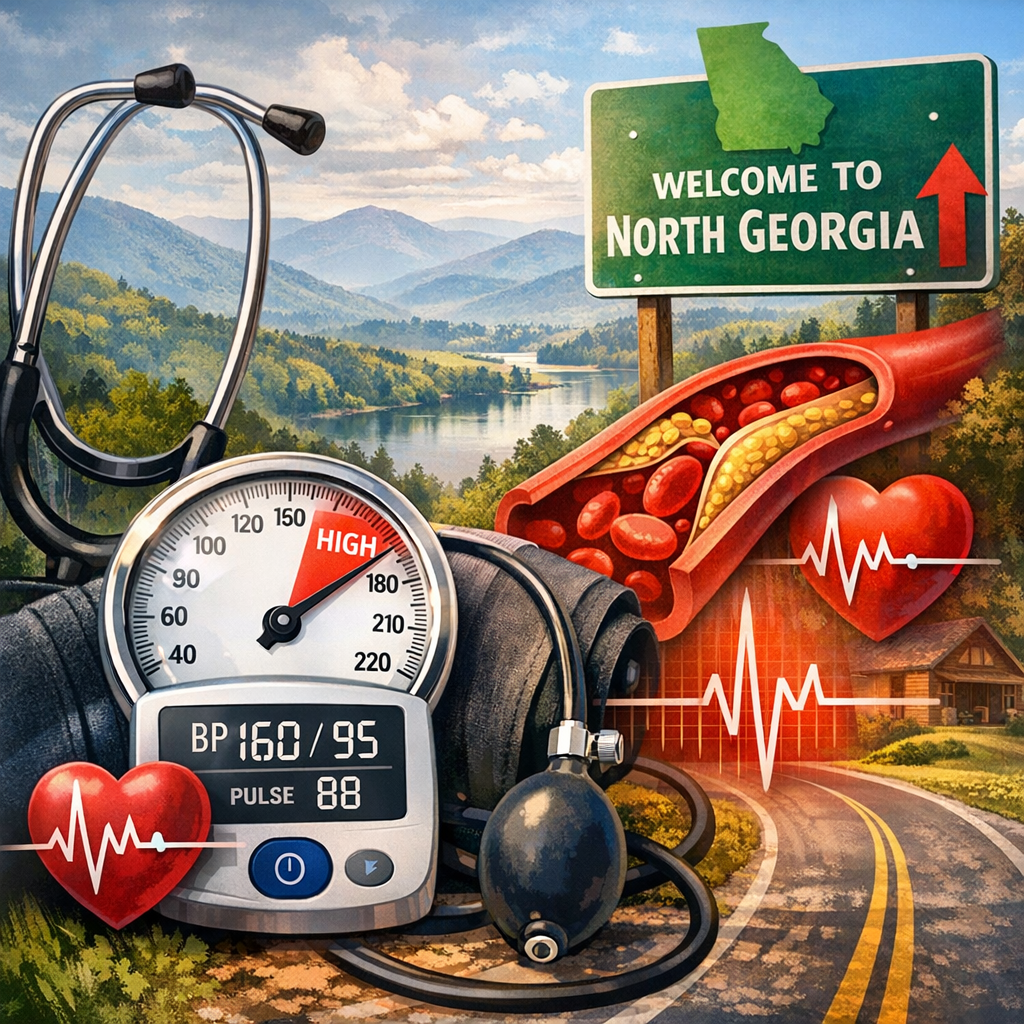
Understanding High Blood Pressure in North Georgia: Causes and Treatments
High Blood Pressure in North Georgia: Causes, Risks, and Treatment Options
High blood pressure, or hypertension, is a prevalent health concern in North Georgia, as it is across the United States. Understanding the causes, recognizing the risks, and exploring the available treatment options can empower individuals to manage this condition effectively.
Causes of High Blood Pressure in North Georgia
The causes of high blood pressure are multifaceted, involving a combination of lifestyle choices, environmental factors, and genetic predisposition. Here are some key contributors specific to residents of North Georgia:
Lifestyle Factors
- Diet: High consumption of processed foods and salt, common in Southern cuisines, can raise blood pressure levels.
- Physical Inactivity: With urbanization and less emphasis on physical labor, sedentary lifestyles are becoming more common, contributing to higher incidence rates of hypertension.
Environmental Factors
- Stress: Urbanization and economic challenges in some parts of North Georgia contribute to stress, which can elevate blood pressure.
- Pollution: Certain areas in North Georgia face industrial pollutants that can affect overall cardiovascular health.
Genetic Factors
- Genetic predisposition plays a role, with some families having a history of hypertension more pronounced than others.
Health Risks Associated with High Blood Pressure
Left unchecked, high blood pressure can lead to numerous health risks:
- Heart Disease and Stroke: As the leading cause of death globally, these conditions are directly linked to hypertension.
- Kidney Damage: High blood pressure can cause damage to the blood vessels and filters in the kidneys, leading to kidney disease.
- Vision Loss: Hypertension can damage the tiny blood vessels in the eyes.
Treatment Options for High Blood Pressure
Managing high blood pressure involves a combination of medical interventions and lifestyle adjustments. Here are the most effective strategies:
Medical Treatments
- Medications: These may include diuretics, ACE inhibitors, or beta-blockers, which work in various ways to lower blood pressure.
- Regular Monitoring: Keeping track of blood pressure levels at home can help in managing and adjusting treatments as needed.
Lifestyle Changes
- Diet Modifications: Reducing salt intake and embracing a balanced diet rich in fruits, vegetables, whole grains, and lean proteins can significantly impact blood pressure.
- Increased Physical Activity: Regular exercise helps lower blood pressure naturally. Aim for at least 150 minutes of moderate aerobic activity or 75 minutes of vigorous activity per week.
- Weight Management: Losing weight can have a substantial effect on reducing blood pressure and improving heart health.
Alternative Approaches
- Stress Reduction Techniques: Practices like yoga, meditation, or deep-breathing exercises can reduce stress and lower blood pressure.
- Community Engagement: Joining support groups or community activities can decrease stress and encourage healthier living habits.
Implementing a Plan
For those in North Georgia struggling with high blood pressure, it’s crucial to create a comprehensive management plan:
- Consult Healthcare Providers: Regular check-ups with a doctor to monitor blood pressure and adjust treatments accordingly.
- Set Realistic Goals: Whether it’s losing weight, modifying the diet, or fitting in more exercise, setting achievable goals can help make lasting changes.
- Educate Yourself and Others: Understanding hypertension and its risks can motivate improved health practices and inspire others to do the same.
High blood pressure is a significant health issue in North Georgia, but with the right strategies, it can be managed effectively. By understanding the causes, recognizing the risks, and adhering to effective treatment options, individuals can lead healthier lives and mitigate the impacts of this common condition.
