

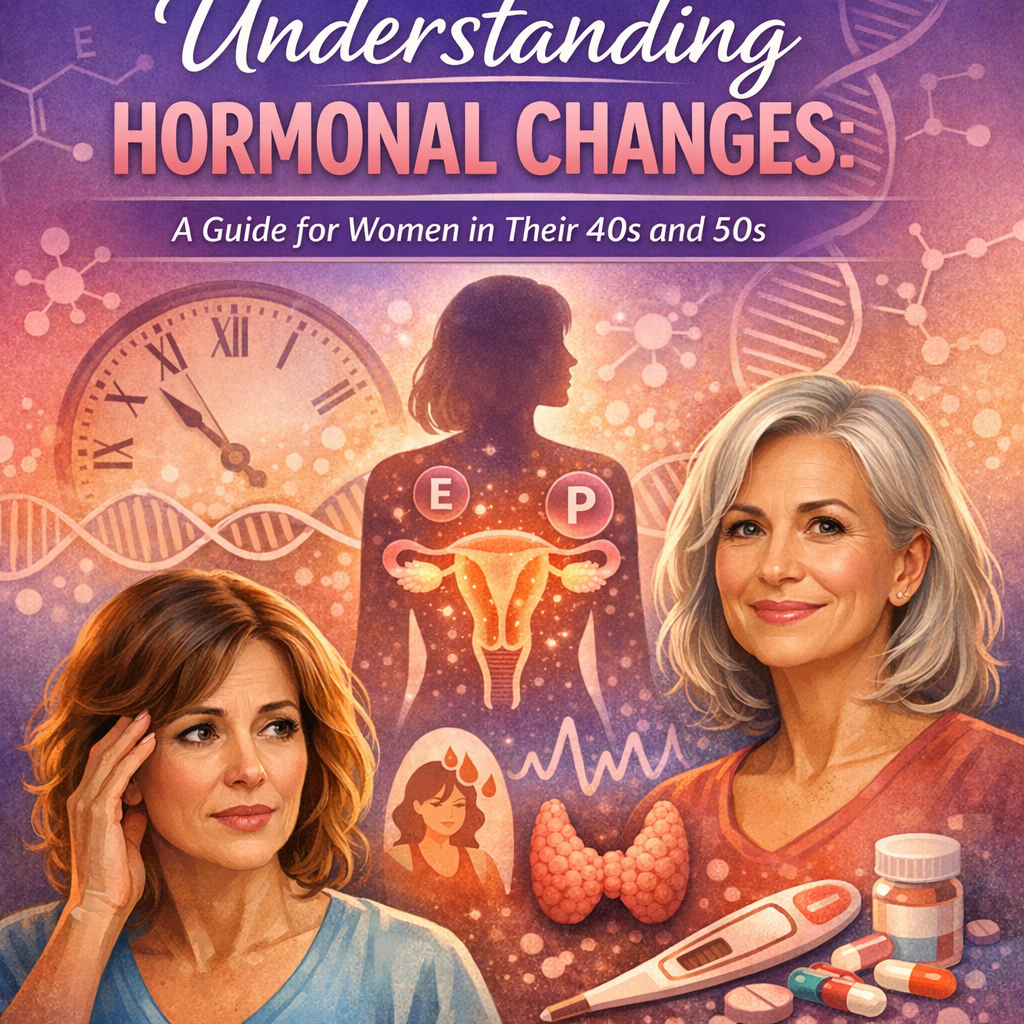
Guide to Understanding Hormonal Changes for Women in Their 40s and 50s
Understanding Hormonal Changes: A Guide for Women in Their 40s and 50s
Navigating the complexities of hormonal changes is a pivotal aspect of women’s health, especially as they transition through their 40s and 50s.
The Importance of Recognizing Hormonal Shifts
As women enter their 40s and 50s, they begin to experience significant transformations in their hormone levels, primarily due to perimenopause and menopause. Understanding these changes can help mitigate symptoms and maintain a healthy lifestyle.
Identifying Key Hormonal Changes
Estrogen and Progesterone
During the 40s, many women enter the perimenopausal phase, where estrogen and progesterone levels start to fluctuate. Common symptoms include irregular periods, mood swings, and hot flashes.
Testosterone
Though often considered a male hormone, testosterone also plays a crucial role in women’s health, affecting sex drive, mood, and energy levels. In their 50s, women may notice a decline in testosterone, which could impact their libido and overall vitality.
Managing Symptoms of Hormonal Changes
Diet and Nutrition
Eating a balanced diet rich in fruits, vegetables, and whole grains can help stabilize hormones. Foods high in phytoestrogens, such as soy products, can also help balance estrogen levels.
- Calcium and Vitamin D: These are vital as they help maintain bone strength, which may deteriorate with decreased estrogen levels.
- Iron: Menstrual changes might cause varying iron levels, making iron-rich foods like spinach and lean meats important.
Regular Exercise
Exercise isn’t only good for weight management and mood improvement. It also helps in coping with symptoms like fatigue and depression which are often associated with hormonal fluctuations.
- Cardio: Helps reduce the risk of heart disease.
- Strength Training: Essential for bone health, particularly important as bone density can decrease post-menopause.
Sleep Hygiene
Menopause often brings sleep disturbances, so maintaining good sleep hygiene is critical. Aim for 7-9 hours of quality sleep, establish a regular bedtime routine, and create a peaceful bedroom environment.
Stress Management
Hormonal changes can elevate stress levels, making stress management techniques like yoga, meditation, and deep breathing exercises essential.
Healthcare Consultation
Regular check-ups can help manage these hormonal changes more effectively. Healthcare providers might suggest treatments like hormone replacement therapy (HRT) or recommend natural supplements and other lifestyle adjustments.
Long-Term Health Considerations
Cardiovascular Health
There is an increased risk of developing cardiovascular issues after menopause due to lower estrogen levels. Regular cardiovascular check-ups and maintaining a diet low in saturated fats can help mitigate this risk.
Osteoporosis Prevention
With declining estrogen, the risk of osteoporosis increases. Calcium, vitamin D supplements, and regular exercise are crucial for maintaining healthy bones.
Mental Health
Perimenopause and menopause can take a toll on mental health. It’s important to seek support if experiencing significant mood swings, depression, or anxiety.
Conclusion
Understanding Hormonal Changes: A Guide for Women in Their 40s and 50s is not just about navigating through these significant years, but also about taking proactive steps to embrace them with health and happiness. By recognizing symptoms, managing lifestyle factors, and seeking appropriate medical advice, women can mitigate the impacts of these hormonal changes and maintain a vibrant, fulfilling life.
