

Men’s Preventive Health Guide for Alpharetta and Roswell Residents
Men’s preventive health is not just about annual checkups. For residents of Alpharetta and Roswell, it is about building habits that support long-term health, catching problems early, and staying active for work, family, and everyday life. With busy schedules, it can be easy to put off routine care, but a practical Men’s Preventive Health Guide for Residents of Alpharetta and Roswell can make those decisions simpler.
Why Preventive Health Matters
Preventive care helps identify health issues before they become serious. Many common conditions that affect men, such as high blood pressure, high cholesterol, diabetes, and certain cancers, may develop with few early symptoms.
By staying ahead of screenings and routine visits, men can:

- Lower the risk of chronic disease
- Improve energy and overall wellness
- Catch warning signs earlier
- Reduce the need for more intensive treatment later
For men in Alpharetta and Roswell, where work demands and family responsibilities often fill the calendar, prevention is one of the smartest long-term health investments.
Start With a Primary Care Visit
A regular primary care provider should be the foundation of any preventive plan. Even if you feel healthy, an annual wellness exam gives your doctor a chance to review your medical history, family risk factors, and current lifestyle.
During a typical preventive visit, your provider may check:
- Blood pressure
- Weight and body mass index
- Cholesterol levels
- Blood sugar
- Heart health risk factors
- Vaccination status
This visit is also a good time to discuss sleep, stress, alcohol use, exercise habits, and any changes in mood or energy levels.
Screenings Men Should Not Ignore
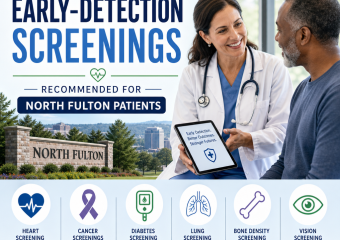
Heart Health Screenings
Heart disease remains one of the leading health concerns for men. Routine blood pressure and cholesterol screenings are essential, especially for men over 40 or those with a family history of heart disease.
If you have risk factors such as smoking, obesity, diabetes, or a sedentary lifestyle, your doctor may recommend more frequent monitoring.
Diabetes Screening
Prediabetes and type 2 diabetes can develop gradually. Men who are overweight, physically inactive, or have a family history should ask about blood glucose or A1C testing.
Colorectal Cancer Screening
Colorectal cancer screening typically begins at age 45 for average-risk adults, though some men may need earlier testing based on family history or other factors.
Prostate Health Discussions
Prostate screening is not one-size-fits-all. Men should talk with their provider about prostate-specific antigen (PSA) testing, especially after age 50, or earlier if they have higher risk factors such as family history or being African American.
Skin Checks
Georgia’s warm climate means many local residents spend time outdoors. Regular skin checks are important, particularly for men who golf, run, coach sports, or work outside. Watch for changing moles, new spots, or areas that do not heal.
Don’t Overlook Mental Health
A complete Men’s Preventive Health Guide for Residents of Alpharetta and Roswell should include mental and emotional wellness. Stress, anxiety, depression, and burnout can affect men of all ages, yet many delay asking for help.
Warning signs may include:
- Irritability or mood changes
- Poor sleep
- Low motivation
- Increased alcohol use
- Trouble focusing
- Ongoing fatigue
Speaking with a doctor or mental health professional is a preventive step, not a last resort. Managing mental health early can improve relationships, work performance, and physical health.
Lifestyle Habits That Make a Big Difference
Preventive health is not limited to the doctor’s office. Daily choices matter just as much.
Prioritize Movement
Alpharetta and Roswell offer plenty of opportunities to stay active, from local parks and greenways to fitness centers and recreational sports. Aim for at least 150 minutes of moderate exercise each week, along with strength training.
Eat With Heart Health in Mind
A balanced diet can support weight management, blood pressure, and energy. Focus on:
- Lean proteins
- Fruits and vegetables
- Whole grains
- Healthy fats
- Reduced added sugar and processed foods
Improve Sleep
Poor sleep can contribute to weight gain, high blood pressure, and low mood. Most adults need 7 to 9 hours each night. If you snore heavily or wake up tired, ask your provider about sleep apnea screening.
Limit Tobacco and Alcohol
Smoking and tobacco use raise the risk of heart disease, cancer, and lung conditions. Alcohol should also be used in moderation, especially if stress has made it a regular coping habit.
Stay Up to Date on Vaccines
Vaccines are an important part of prevention for adults, not just children. Men should review routine immunizations with their healthcare provider, including:
- Annual flu vaccine
- Tdap booster
- COVID-19 vaccines, when recommended
- Shingles vaccine for eligible adults
- Pneumonia vaccine based on age and risk factors
Building a Practical Local Health Routine
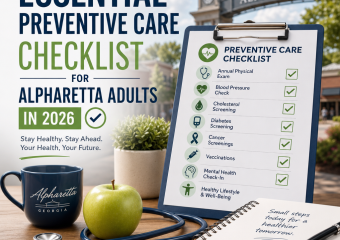
For many men, the best preventive plan is the one that fits real life. A simple routine might include:
- Scheduling one annual primary care visit
- Completing age-appropriate screenings on time
- Checking blood pressure and cholesterol regularly
- Staying physically active each week
- Paying attention to mood, stress, and sleep
The goal is not perfection. It is consistency.
Final Thoughts
This Men’s Preventive Health Guide for Residents of Alpharetta and Roswell is a reminder that good health is built over time. Small, regular actions can lead to major benefits, from preventing disease to improving daily quality of life.
Whether you are in your 30s, 50s, or beyond, now is a good time to make preventive care a priority. A few steps today can help protect your health for years to come.